

 BACK
BACK


Loading…
Last Updated February 20, 2025
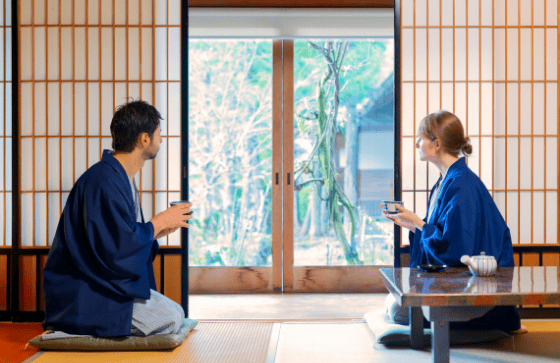
Planning a trip to Japan? Prepare for an unforgettable cultural adventure that’s unlike any other. From traditional food customs to unique ways of thinking, Japan offers a fascinating blend of old and new. Here are five essential things you should know about Japanese culture to ensure you respect local traditions and make the most of your time in this beautiful country.
In Japan, bowing is a traditional gesture used to show respect and politeness. The proper way to bow is by holding your right hand in front of your stomach, palm facing down, and bending at the waist. Your upper body should remain straight but relaxed. When bowing lower than someone else, don’t go past their eye level, and when bowing higher than someone, don’t go below their knees. It’s crucial to return a bow when someone bows to you, as failing to do so can be seen as very disrespectful.
Removing your shoes before entering someone's home is a deeply rooted custom in Japan, tied to both hygiene and respect. This tradition also extends to certain public places such as hotel lobbies, restaurants, and bars. When visiting a friend or acquaintance, expect to take off your shoes before stepping inside. In some restaurants, small slippers are provided for customers to wear while dining, ensuring comfort and cleanliness.
In many countries, slurping soup may be considered rude, but in Japan, it’s actually encouraged. Slurping your soup is seen as a compliment to the chef, showing that you are thoroughly enjoying the meal. If slurping doesn’t suit your style, you can still express appreciation by saying “itadakimasu,” which means “I humbly receive.” Either way, you’ll be embracing a unique Japanese custom that enhances the enjoyment of the meal.
Chopsticks are the primary utensils for eating in Japan. They are used to pick up pieces of food rather than spearing them. Be mindful of how you use chopsticks: avoid actions like sticking your chopsticks into rice or pointing them at others. If using chopsticks proves difficult, try eating foods like noodles and rice, which are easier to manage. It’s also perfectly fine to use a fork or spoon if needed—so don't stress if chopsticks aren't your thing.
In Japan, punctuality is not just a habit but a deep cultural value. Being late to an event or keeping others waiting is considered rude. This respect for time is especially critical in the workplace, where tardiness can cause significant issues. Some companies even provide drivers for employees running late to ensure punctuality. If you anticipate being late, always inform the person ahead of time—they will appreciate your thoughtfulness.
Learning about different cultures and sharing our own experiences helps create a more understanding and harmonious world. We hope these tips enhance your travel experience in Japan and allow you to enjoy the rich cultural heritage this country has to offer. Safe travels and enjoy your journey to Japan.
Ready to experience Japan firsthand? Discover our curated travel packages and explore the beauty of Japanese culture with Ritz Tours Asia. Book your unforgettable adventure today!


Share this Journal
Five Essential Things Every Tourist Should Know About Japanese Culture
Japan,
Travel Tips,
Inspiration
Last Updated February 20, 2025
 Copy link
http://www.ritztours.com/Info/BlogDetail?key=63
