

 BACK
BACK


Loading…
Last Updated October 16, 2024
Japan is a country that offers something spectacular no matter the time of year. Whether you’re enchanted by cherry blossoms in spring, dazzled by summer festivals, mesmerized by the rich colors of autumn leaves, or drawn to snow-capped peaks in winter, Japan promises a unique experience in every season. As a year-round destination, Japan’s rich cultural traditions and breathtaking landscapes provide countless opportunities for exploration and adventure.
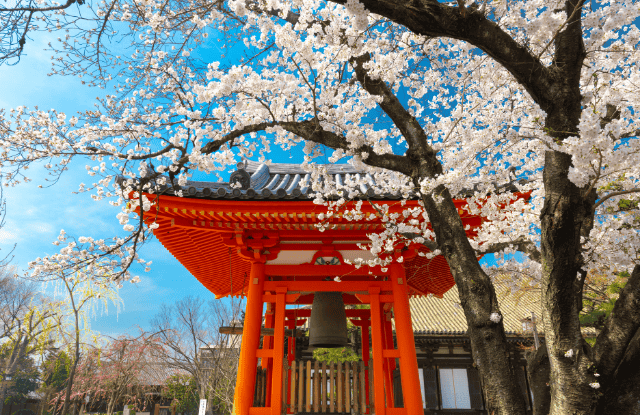
Spring, especially from late March to mid-April, is arguably the most popular time to visit Japan. The arrival of the iconic cherry blossoms, or sakura, paints cities and countrysides in soft pink hues. Hanami, the traditional practice of viewing these blossoms, is an unforgettable experience, particularly in cities like Kyoto. Imagine strolling through the Philosopher’s Walk, surrounded by cherry trees in full bloom, or visiting the Kiyomizu Temple, where the blossoms frame its famous wooden stage.
Personal Tip: If you're visiting Kyoto in spring, I highly recommend arriving at the Philosopher’s Walk early in the morning to avoid the crowds. The peaceful atmosphere paired with the pink blossoms is absolutely breathtaking.
Tokyo also comes alive in the spring with spots like Ueno Park and the Meiji Shrine offering stunning views of cherry blossoms. If you're planning your trip in March, the mild weather makes it perfect for visiting other cultural highlights like the Nakamise shopping street leading to Senso-Ji Temple or exploring the majestic Imperial Palace Plaza.
Spring Must-Dos:
Best Time for Crowds: Spring is one of the busiest seasons in Japan due to the cherry blossom rush. To avoid the heaviest crowds, consider visiting toward the end of March or the beginning of May, once the peak bloom season has passed.
Practical Tip: Pack layers during this season. Even though the days are mild, early mornings and evenings can still be chilly. A light jacket is perfect for outdoor excursions.
For those who enjoy lively festivities, summer in Japan (June to August) offers an entirely different experience. This season is synonymous with matsuri (festivals), like the famous Gion Matsuri in Kyoto or the spectacular fireworks of the Sumida River Fireworks Festival in Tokyo. Natsu Matsuri (summer festivals) also brings with it a chance to experience traditional Japanese dance and music, with the Awa Odori dance festival in Tokushima being a particular highlight.
July is also the best time for adventurers seeking to climb Mount Fuji. The weather is warm, and the trails are open, providing an excellent opportunity to summit Japan's highest and most sacred peak. Hiking along the scenic trails, while catching a glimpse of the surrounding landscape, is an exhilarating experience.
If you prefer a more laid-back summer vacation, consider visiting Hakone and taking the Hakone Ropeway over Lake Ashi. Here, you’ll find a refreshing retreat in the cooler mountain air, with breathtaking views of Mount Fuji.
Summer Must-Dos:
Best Time for Crowds: Summer festivals can attract large crowds, especially in major cities like Tokyo and Kyoto. If you're hoping to experience festivals without the overwhelming masses, try visiting the less touristy areas or attending smaller local festivals.
Practical Tip: Summers in Japan can get hot and humid, so pack light, breathable clothing. Don’t forget to bring a portable fan or a small towel for extra comfort during festivals or outdoor events.
Autumn in Japan, from late September to November, is a time of breathtaking beauty. The autumn foliage transforms the landscapes into fiery shades of red, orange, and yellow. One of the best places to enjoy the changing colors is the Arashiyama Bamboo Grove in Kyoto, where the vibrant leaves contrast with the towering green bamboo. Another must-visit is the Fushimi Inari Shrine, known for its iconic vermilion torii gates that take on a mystical aura in the autumn light.
Nara, a short trip from Kyoto, is equally stunning in autumn. The wooded hills of Nara Park and the historic Todaiji Temple, home to the world's largest bronze Buddha, offer a picturesque setting amidst the autumn leaves. Visitors can also enjoy seeing the wild Sika deer roam freely in this tranquil park.
In Osaka, the autumn season brings cooler temperatures, making it an ideal time to explore the city’s famous sites, such as Osaka Castle and the Floating Garden Observatory. The fall colors also make visiting these historical landmarks an even more memorable experience.
Autumn Must-Dos:
Best Time for Crowds: Autumn is another busy season, particularly in October and November, as tourists flock to see the foliage. To avoid the largest crowds, plan your visit in early September or late November when the leaves are still vibrant but fewer tourists are around.
Practical Tip: While autumn days can be mild, the evenings get chilly. Pack warm clothing, especially if you plan to explore outdoor temples and shrines later in the day.
For those who prefer winter adventures, Japan is a dream destination. From late December to March, the northern island of Hokkaido becomes a winter wonderland, renowned for its ski resorts and powder snow. The famous Sapporo Snow Festival in February draws visitors with its massive snow sculptures and winter-themed activities.
Another winter highlight is visiting the Japanese macaques, or snow monkeys, at Jigokudani Monkey Park in Nagano. These monkeys can be seen soaking in natural hot springs, surrounded by snow-covered landscapes—a truly unique and heartwarming experience.
Even in cities like Tokyo, the winter season holds its own charm. Clear skies and crisp air make winter an ideal time for unobstructed views of Mount Fuji. Take a day trip to Hakone or Lake Kawaguchi to witness the snow-capped peak of Japan’s most famous mountain. The cold weather is also a great excuse to warm up with some traditional Japanese hot pot dishes, like shabu-shabu, especially after a day of sightseeing.
Winter Must-Dos:
Best Time for Crowds: Winter is generally a quieter season for tourism, especially after the New Year’s holidays. If you're looking to experience Japan with fewer tourists, January and February are ideal months to explore.
Practical Tip: Winter in Japan can be cold, especially in Hokkaido and the mountains, so be sure to pack layers and a warm coat. Hot springs (onsen) are a perfect way to relax and stay warm after a day out in the cold.
While spring (March to May) and autumn (September to November) are often touted as the best times to visit Japan, each season has its own charm. Whether you're chasing the pink blooms of sakura in spring or the vibrant hues of autumn, Japan offers something extraordinary at every turn. Summer (June to August) brings with it a festive atmosphere, perfect for those seeking cultural immersion and outdoor adventures, while winter (December to February) transforms Japan into a serene, snowy retreat, ideal for skiing and snowboarding enthusiasts.
No matter when you visit, Japan is sure to leave an unforgettable impression. From its bustling modern cities like Tokyo and Osaka to the serene temples of Kyoto and the majestic beauty of Mount Fuji, this country truly has something for everyone, every season of the year.
Ready to experience the best of Japan in every season? Explore our Japan tours and start planning your dream trip today! Click here to discover our Japan tours

Share this Journal
The Best of Japan in Every Season: What to See and Do Year-Round
Japan,
Travel Tips,
Inspiration,
See & Do
Last Updated October 16, 2024
 Copy link
http://www.ritztours.com/Info/BlogDetail?key=60
